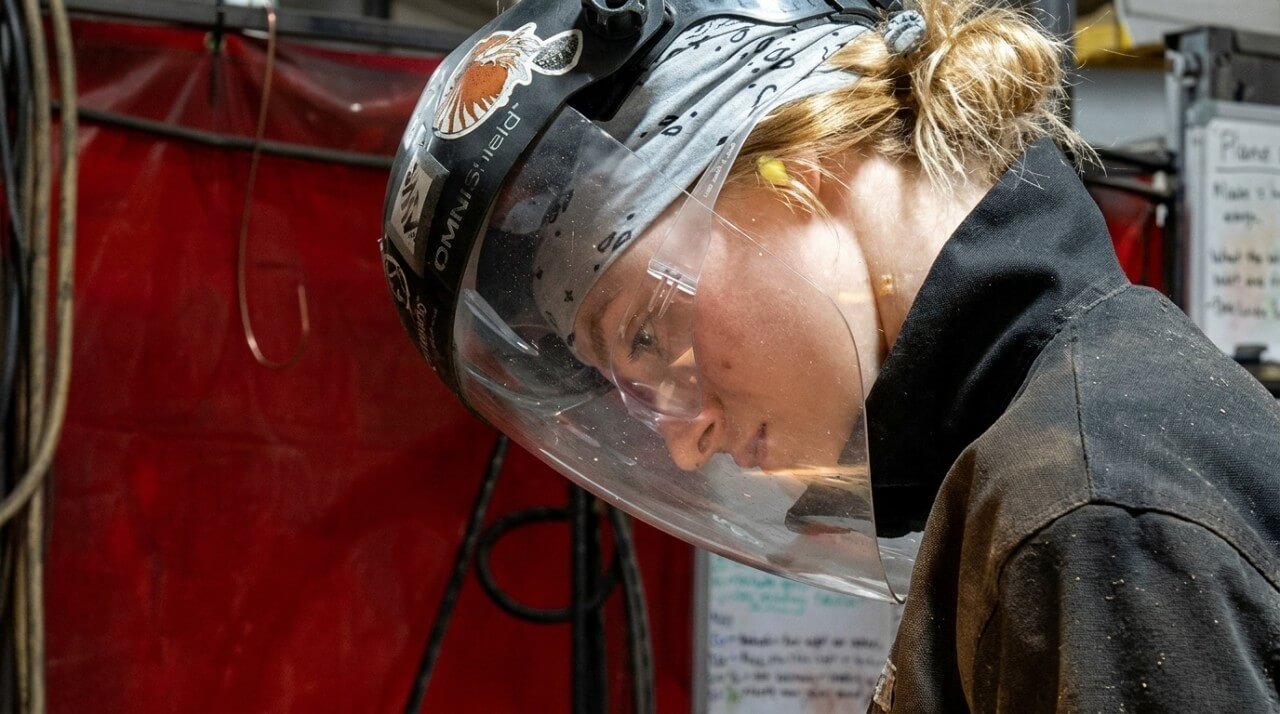

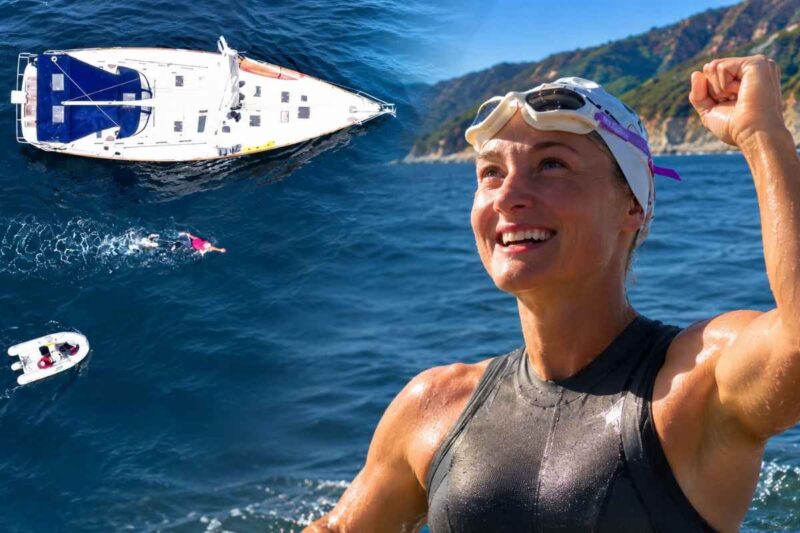
California’s coastline is famous for scenic drives, beach vacations, and spectacular ocean views. Catherine Breed apparently decided that seeing it all through a car window wasn’t quite adventurous enough.
Instead, she swam approximately 900 miles along the Pacific coast, becoming the first person reported to complete a staged swim covering California’s entire shoreline.
Interestingly, California’s coastline is commonly measured at approximately 840 miles, according to Visit California. Breed’s expedition covered roughly 900 miles, a reminder that swimming along a coast isn’t quite the same as measuring it on a map.
Currents, offshore routes, and changing conditions can make getting between two points considerably more complicated.
Her expedition began on July 1, 2026, near the Oregon border and ended 111 days later in Southern California.
Along the way, the 33-year-old endurance swimmer encountered freezing water, powerful currents, rough seas, sharks, and an unexpected pollution problem near the finish.
Four months in the Pacific sounds exhausting enough. Somehow, Breed finished ahead of schedule.
Meet Catherine Breed, the Woman Who Took on the Pacific
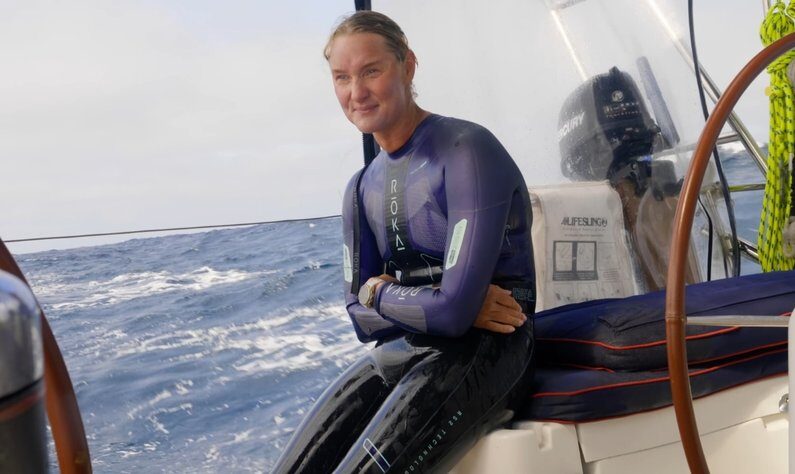
Catherine Breed grew up in Pleasanton, California, and competed as a swimmer at the University of California, Berkeley.
Knee injuries interrupted her college swimming career, but her relationship with swimming continued well after graduation.
Open-water endurance swimming eventually became her specialty, and she accumulated nine open-water swimming records, including a record-setting crossing of Lake Tahoe.
Swimming hundreds of miles along California’s coast was certainly ambitious, but Breed wasn’t approaching the challenge without experience.
Her motivation also involved something more personal.
Having grown up in California, she wanted to celebrate the coastline she loved while encouraging women and girls to pursue ambitious goals.
Ocean conservation became another major part of the expedition, giving her an opportunity to introduce coastal communities to environmental issues affecting their local waters.
The 900-Mile Journey Wasn’t One Continuous Swim
Before imagining Breed swimming nonstop for four months, there’s an important distinction.
Her expedition was completed in stages, with individual swimming sessions connected through carefully recorded GPS coordinates.
During active swimming days, Breed generally covered approximately 10 miles, spending several hours in the water.
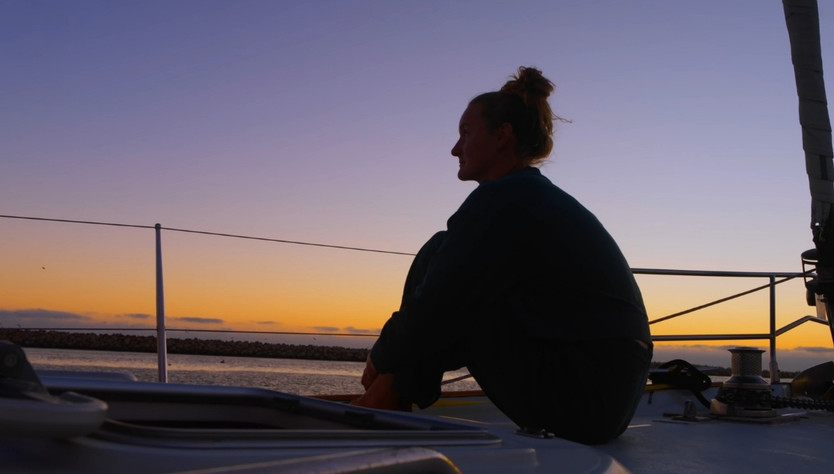
A 52-foot sailboat named Catalyst acted as her floating home, while a support crew handled navigation, weather monitoring, safety, and logistics.
Strict rules prevented her from touching the boat during active swims. Once a session ended, the crew recorded her exact position so she could resume at that location during her next session.
Food deliveries came approximately every 30 minutes via a smaller support boat.
One particularly interesting detail was how changing currents affected the route. Instead of constantly swimming south, Breed sometimes had to complete sections northward to work with the water rather than fight it.
Across the 111-day expedition, 18 days were spent out of the water because of rest or unfavorable conditions. That leaves 93 potential swimming days.
Dividing 900 miles by 93 gives approximately 9.7 miles per active day, an impressive average for someone spending months in the Pacific.
Cold Water, Rough Waves, and the Occasional Shark
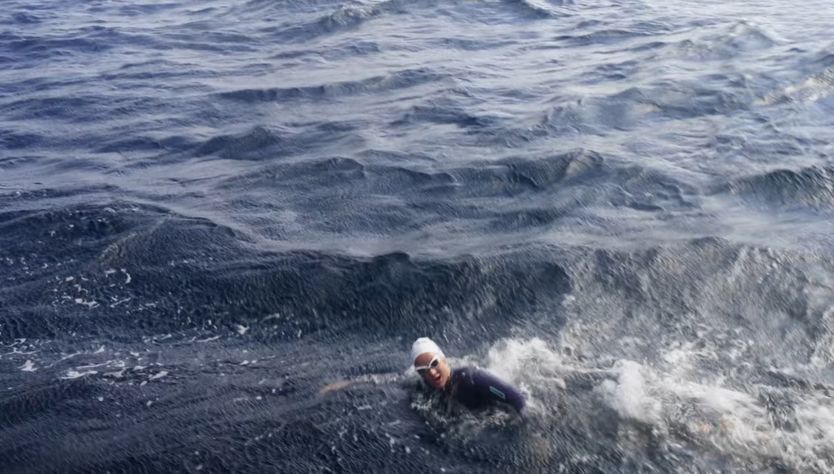
California’s coastline might look inviting in photographs, but swimming its entire length introduces a considerably less relaxing perspective.
Water temperatures sometimes dropped below 50°F, while waves reached approximately seven feet.
Strong winds, tropical storms, and unusual conditions associated with El Niño added further complications.
Even experienced swimmers cannot simply overpower dangerous currents.
Breed and her crew frequently adjusted their plans around changing ocean conditions, sometimes reversing the direction of individual swimming sections.
Crab traps created additional navigation problems, especially along areas where fishing equipment was concentrated.
And yes, there were sharks.
Fortunately, Breed explained that her crew generally spotted them at sufficient distances to avoid direct encounters. On some occasions, the team temporarily removed her from the water as a precaution.
Not every wildlife encounter was concerning, either. Dolphins and sea lions provided memorable moments, while the spectacular Big Sur coastline became one of her favorite parts of the expedition.
After one particularly enjoyable day, Breed relaxed aboard Catalyst while her crew jumped into the ocean for a recreational swim.
Apparently, after spending hours swimming through the Pacific, watching everyone else splash around was still an acceptable way to unwind.
The Most Unpleasant Obstacle Was Waiting Near the Finish Line
After months of negotiating waves, currents, and marine wildlife, one of Breed’s final challenges involved something humans had put into the ocean.
As she approached Southern California, her team confronted the long-running sewage pollution crisis associated with the Tijuana River.
Contaminated water near the California-Mexico border presented a serious health concern, particularly for someone spending hours directly exposed to ocean water.
Rather than attempt a conventional finish through the affected coastal area, Breed’s team adjusted the route.
Her geographic completion took place approximately three miles offshore, allowing her to reach the latitude of the Mexican border while avoiding the worst contamination.
Her experience also illustrated an uncomfortable contradiction.
Sharks attract plenty of attention whenever someone discusses swimming in the Pacific, yet pollution created one of the most significant concerns near Breed’s destination.
For an expedition intended partly to encourage ocean conservation, the ending provided a particularly direct example of why coastal protection matters.
After 111 Days, She Finally Made It to Coronado Beach
View this post on Instagram
Breed’s final stretch unfolded over two important dates.
On October 18, 2026, her team reported completing the route near the California-Mexico border. On October 19, she made her ceremonial arrival at Coronado Beach.
Just after 3 p.m., Breed swam toward shore and emerged onto the sand, where supporters had gathered to welcome her.
Cheering, flowers, hugs, and congratulations replaced the isolated ocean conditions that had dominated her previous months.
Breed described feeling proud of her team, along with considerable happiness and relief that the expedition had ended successfully.
Completing approximately 900 miles in 111 days was an extraordinary achievement, especially considering that her original schedule had allowed until November.
Her accomplishment was widely reported as the first completed staged swim along California’s entire coastline, although formal record ratification required a review of the expedition’s supporting documentation.
Breed also credited her crew and the coastal communities that had encouraged her throughout the summer.
After all, even a remarkably determined swimmer needs people handling navigation, meals, and the occasional shark warning.
What She Hopes People Will Take Away From Her Journey
Setting a record was never Breed’s only objective.
She wanted more women and girls to feel confident pursuing ambitious challenges, while encouraging Californians to connect with their ocean and help protect it.
Interestingly, when asked if she would recommend attempting the same 900-mile swim, Breed offered a wonderfully straightforward response.
“Absolutely not.”
Instead, she encouraged people to enjoy the ocean in ways that suited their interests and abilities.
Swimming, surfing, and supporting local conservation organizations offered much more accessible ways to develop that connection.
And Breed apparently had little interest in staying away herself.
On October 20, just one day after her Coronado celebration, she was already surfing with friends at Point Loma.
After nearly four months of carefully scheduled swimming, enjoying the waves without tracking mileage must have felt particularly refreshing.
A Record, a Reminder, and a Very Long Swim
Catherine Breed’s accomplishment required extraordinary endurance, careful preparation, teamwork, and an impressive willingness to adjust when the Pacific refused to cooperate.
Her expedition also revealed two very different sides of California’s coast, including its remarkable marine environment and the pollution threatening its waters.
Breed may not recommend swimming all 900 miles yourself, but she hopes more people discover why California’s ocean deserves protection.
Fortunately, enjoying the Pacific doesn’t require four months of swimming. A visit to the beach is a perfectly reasonable starting point.